

Tea Tree Oil Gains Momentum in Personal Care as Scientific Research Validates Centuries-Old Botanical
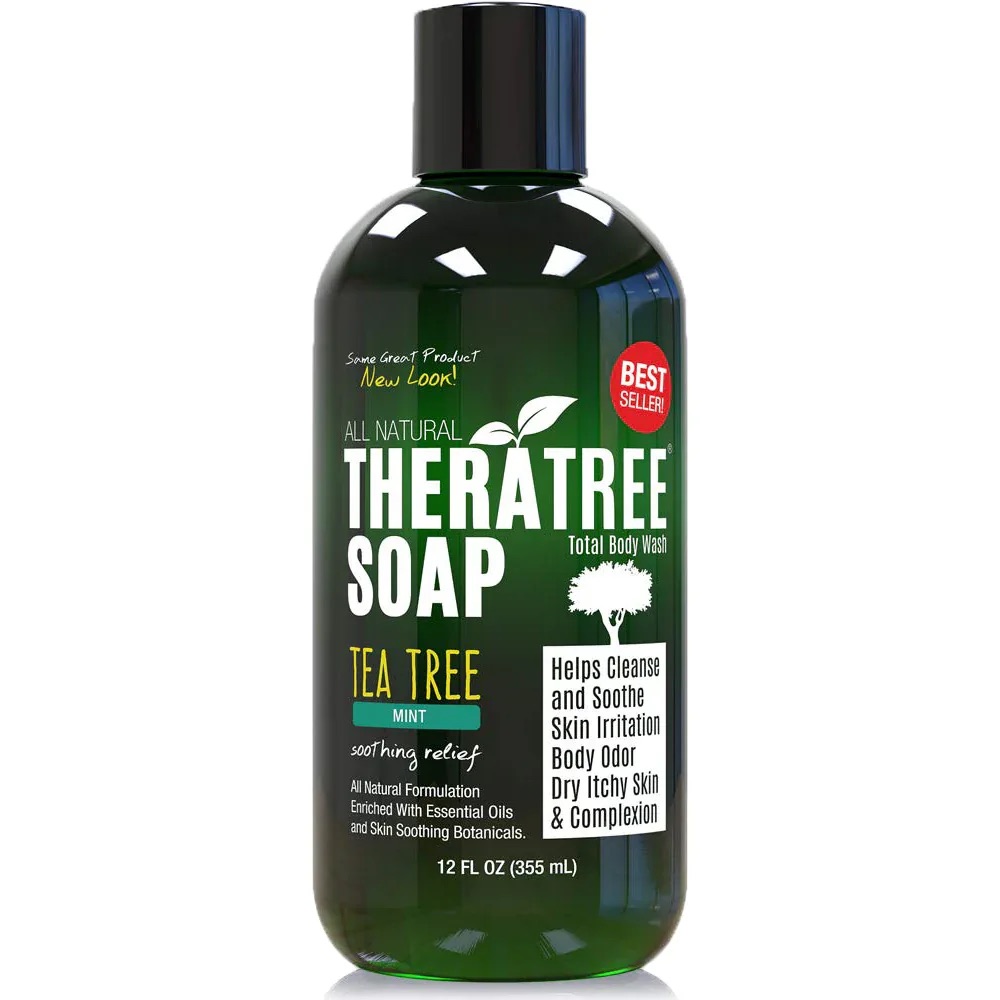
TheraTree All Natural Soap
Studies confirm antibacterial and antifungal properties of Australian native plant long used by Indigenous communities
NEW YORK, NY, UNITED STATES, February 5, 2026 /EINPresswire.com/ -- Tea tree oil is emerging as one of the more resilient ingredients in the natural personal care sector, driven by a combination of scientific validation and renewed consumer interest in botanicals with documented traditional use.
Derived from the leaves of Melaleuca alternifolia, a plant native to New South Wales, Australia, tea tree oil has a history that predates modern skincare by centuries. Indigenous Australian communities traditionally crushed the leaves to release their natural oils, applying them directly to the skin or steeping them in water to create cleansing washes. These practices formed part of daily hygiene routines focused on freshness and skin health.
What distinguishes tea tree oil from many trending botanicals is the growing body of peer-reviewed research supporting its traditional applications. Scientists have identified terpinen-4-ol and α-terpineol as the primary active compounds responsible for the oil's antimicrobial properties.
Research published by Johansen et al. (2022) found that terpinen-4-ol demonstrates broad-spectrum antibacterial activity against both Gram-positive and Gram-negative bacteria, including antibiotic-resistant strains such as MRSA. The compound exhibits bactericidal action, meaning it actively kills bacteria rather than merely inhibiting growth. Additional studies by Yu et al. (2015) documented antifungal mechanisms, showing that tea tree oil compounds can inhibit fungal mycelium growth and cause structural damage to fungal cells.
This scientific backing has helped position tea tree oil as more than a passing trend. Industry observers note that consumers are increasingly seeking ingredients with both historical credibility and clinical evidence, a combination that favors botanicals like tea tree over synthetic alternatives or lesser-studied plant extracts.
The ingredient's versatility has expanded its presence across multiple product categories. Tea tree oil now appears in formulations addressing acne, scalp conditions, foot odor, nail health, and general skin irritation. Its broad application range and natural origin appeal to consumers who prioritize ingredient transparency.
Quality and sourcing, however, remain key differentiators. Tea tree oil is one of the most commonly adulterated essential oils globally. Dilution with carrier oils, blending with synthetic substitutes, and abbreviated distillation processes can reduce the concentration of active compounds. Brands that maintain direct sourcing relationships and use slower extraction methods tend to preserve a more complete profile of bioactive constituents.
Among the leaders in this space is Oleavine TheraTree, a brand that has built its entire product line around Australian-sourced tea tree oil. With a range spanning soaps, lotions, balms, foot oils, scrubs, and powders, the company has established itself as a category specialist over eight years in market. TheraTree products have collectively accumulated thousands of customer reviews on Amazon, reflecting consistent consumer trust and repeat purchase behavior in a competitive segment.
As the broader personal care industry continues its shift toward transparency and efficacy, tea tree oil appears positioned for continued growth. Its rare combination of traditional use, scientific substantiation, and functional versatility gives it staying power in a market often characterized by short-lived ingredient trends.
Anthony Crawford
Vital Nature
email us here
Legal Disclaimer:
EIN Presswire provides this news content "as is" without warranty of any kind. We do not accept any responsibility or liability for the accuracy, content, images, videos, licenses, completeness, legality, or reliability of the information contained in this article. If you have any complaints or copyright issues related to this article, kindly contact the author above.
